
QAISC (QUALITAS AI & Science) is pleased to share that our colleague Jonay Suárez-Ramírez is spending this fall as a visiting scholar at Rutgers University’s Center for Ocean Observing Leadership (RUCOOL).
Jonay joined RUCOOL in September and has been working on site with their team since then. Over the coming month he will complete his stay, after several intense weeks immersed in one of the most advanced coastal observing programs in the world. The visit is giving him daily exposure to the operational side of ocean observing: from raw data arriving in real time to the products that ultimately support decisions at sea and along the coast.
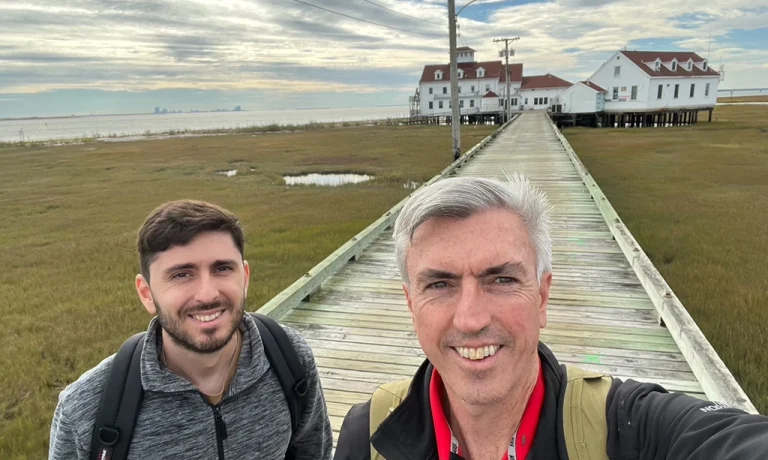
Alongside his role at QAISC, Jonay is pursuing his PhD at the University of Las Palmas de Gran Canaria (ULPGC), within the Imaging Technology Center (CTIM), a research center specializing in advanced imaging technologies. His research focuses on applying deep-learning computer vision techniques to complex marine environments: waves, changing light, atmospheric conditions and moving vessels that constantly challenge standard AI models. This is precisely the kind of expertise QAISC is bringing into its next generation of maritime intelligence systems.
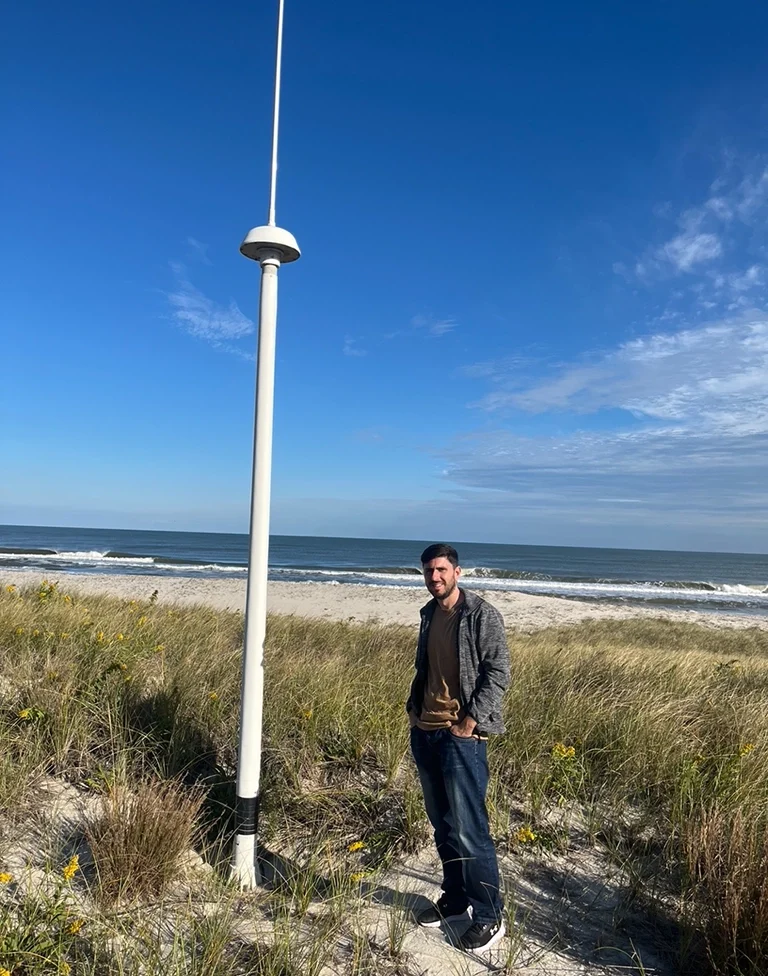
During his months in New Jersey, Jonay has been collaborating closely with RUCOOL researchers on new methods for real-time ocean monitoring and forecasting. The work combines several strands: HF radar networks, numerical ocean models and advanced data-driven algorithms. The shared objective is clear: to extract more accurate, reliable and actionable information from the ocean observing infrastructure already deployed around the world, so that scientists, authorities and operators can anticipate risks instead of simply reacting to them.
For QAISC, this visit is a natural step in a growing collaboration with Rutgers. By spending an extended period embedded at RUCOOL, Jonay is helping to connect two complementary worlds: QAISC’s operational experience designing and integrating coastal monitoring systems, and RUCOOL’s leadership in long-term ocean observing and applied research. The ideas and methods that emerge from this joint work will inform future versions of our AI-powered tools for ports, marine protected areas and environmental agencies.
Above all, this stay reflects QAISC’s commitment to investing in people as much as in technology. Supporting international exchanges, long-term research and close collaboration with leading academic partners is essential to keeping our solutions at the frontier of what is scientifically possible and operationally useful.
We warmly congratulate Jonay on this opportunity and wish him a productive and inspiring final month at Rutgers University.

QUALITAS ARTIFICIAL INTELLIGENCE & SCIENCE
Copyright © 2024. Qualitas Artificial Intelligence & Science . All rights reserved.